

FOUNDER PERSPECTIVE
I scaled Guardian Childcare with three private equity firms. Here’s what I’d tell any founder before choosing a capital partner.
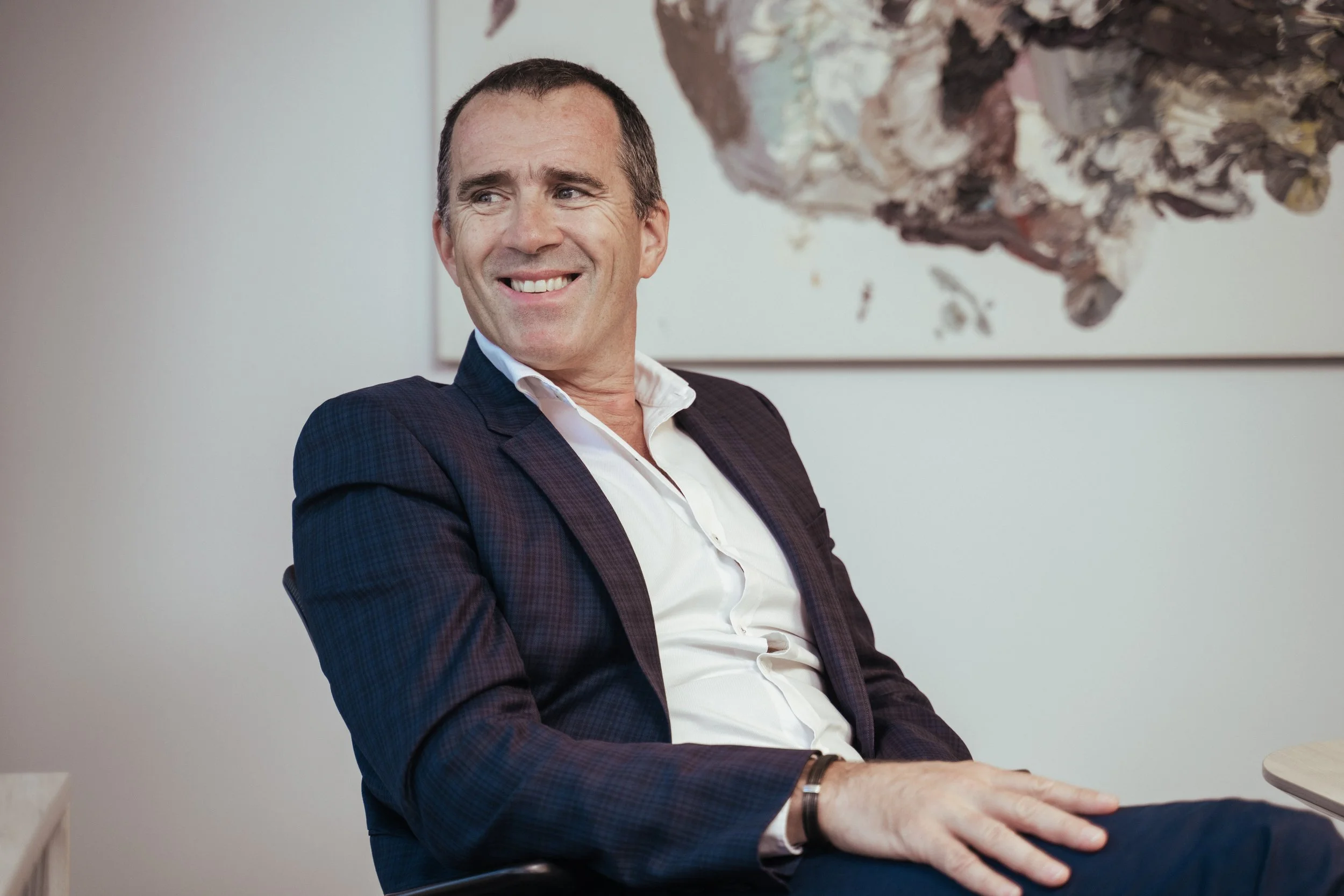
Tom Hardwick
Co-Founder, Coogee Capital
7 min read
IN THIS ARTICLE
Guardian was founded in 2004 by five friends looking to build a childcare business. It owned a few centres as well as managing centres for other owners.
In the midst of the financial crisis of 2008, I was working for a property asset manager and our largest client for whom we managed 17 childcare centres decided to exit the sector and sell their centre portfolio. Our fledgling management company, Guardian Childcare, didn’t have the resources to make such a large acquisition, but losing our largest client would render the business uneconomic.
Faced with this paradox, and with the help of a switched-on corporate adviser, we turned to private equity and were fortunate to find a local firm who bought into our vision to create a new national childcare group.
That decision changed the trajectory of Guardian, but it also taught me that choosing a capital partner is about much more than choosing who can write the cheque.
My Journey with Private Equity
Over the next eight years I worked with three private equity firms to scale Guardian into one of the largest early learning groups in Australia. We started with the acquisition of those 17 centres, then acquired an additional 65 and opened 20 greenfield sites across the eastern seaboard growing to a head office team of 100 people, supporting 3,000 educators and caring for 10,000 children a day.
As a founder looking for capital to scale a capital-intensive business, private equity offered many benefits, including:
We were scaling through acquisition and needed both debt and equity to support the business. My private equity partners could supply both much more efficiently than I could.
CAPITAL
It can be lonely at the top of a high-growth business. Having access to the senior leaders at our private equity firms, and more usefully the CEOs of their other portfolio companies provided a ready network of scaling experience to tap into.
NETWORK
MANAGEMENT EQUITY PLANS
Our management team worked extraordinary hours to build Guardian. Being able to share the value they created through a management equity plan is a key ingredient of the private equity playbook.
With an exit in mind, private equity firms help founders improve how decisions get made, articulate vision and strategy, assemble an exit-ready leadership team, and install systems and processes appropriate for the size of the business.
IMPROVED GOVERNANCE
But it isn’t all ‘beer and skittles’, especially for a passionate founder used to having complete control. Here are some of my key learnings that other founders should be aware of before stepping onto the dance floor with a private equity firm:
Private equity firms usually want control of the business, which means they have the ability to exit a founder if the relationship sours, performance falters or there are disagreements on key issues. In fact, many private equity firms have replaced a founder CEO with a “professional” CEO as a key element of their exit-readiness playbook. Unless a founder is in need of significant capital or actively planning an exit, maintaining control is a key priority in any new investor relationship.
CONTROL
As Guardian grew, we reached the limits of the capital each firm could deploy every couple of years. This meant entering a sale process to find a new partner and as anyone who has been through one will know, these processes are time consuming (~ 9–12 months from start to finish) and a material distraction for the leadership team. The crystallisation of the management equity plan usually made it worthwhile, but it still took focus away from running and growing the business.
MOMENTUM
ALIGNMENT
An exit process is a tough time to find a new partner. While not quite speed dating, there is not a lot of time provided to meet your prospective new partners, hopefully have some say in who the final buyer is, and then be aligned with them on ‘your’ business’ future. And even if you manage this through the sale process, the challenge remains for the founder and new partner to stay aligned over the ensuing years.
Whilst my first private equity partner was a local firm, the other two were international firms, which made managing the relationship more challenging. The further the key decision-makers were from the business, the less they understood the day-to-day reality of running it, and the slower decisions became
DISTANCE
Private equity firms are strong at analysing businesses. At its best, that analysis sharpens decisions and highlights opportunities. But it only works if it connects to the reality of running the business. At times, we received detailed insights that were technically sound but not especially helpful day to day.
ANALYSIS WITHOUT CONTEXT
Five Questions to Ask Before You Choose a Capital Partner
Looking back, these are the questions I would encourage any founder to ask a prospective private equity partner early:
1.
Who in your team has run a business before?
2.
Who makes the decisions and where are they based?
3.
How do you think about founder control?
4.
What role does the founder play as the business scales?
5.
What happens if growth takes longer than planned?
We Decided to Build a Different Kind of Private Equity Firm
After leaving Guardian, I spent time reflecting on what I had learned from working with three private equity firms.
The lesson was not that private equity is good or bad. For Guardian, it was transformational. It gave us the capital, structure and support to build a business we could not have built on our own.
But it also showed me that private equity works best when capital, decision-making and operating reality are aligned. Founders don’t just need money. They need partners who understand the pressure of running a business and the reality of turning plans into results.
I didn’t want to advise founders from the sidelines. I wanted to co-invest with them, share what I had learned, and build a different kind of private equity firm.
That's what David Baxby and I set out to build with Coogee Capital. If you're thinking about your next stage of growth and want to speak with someone who has been through it, we’d welcome the conversation.